
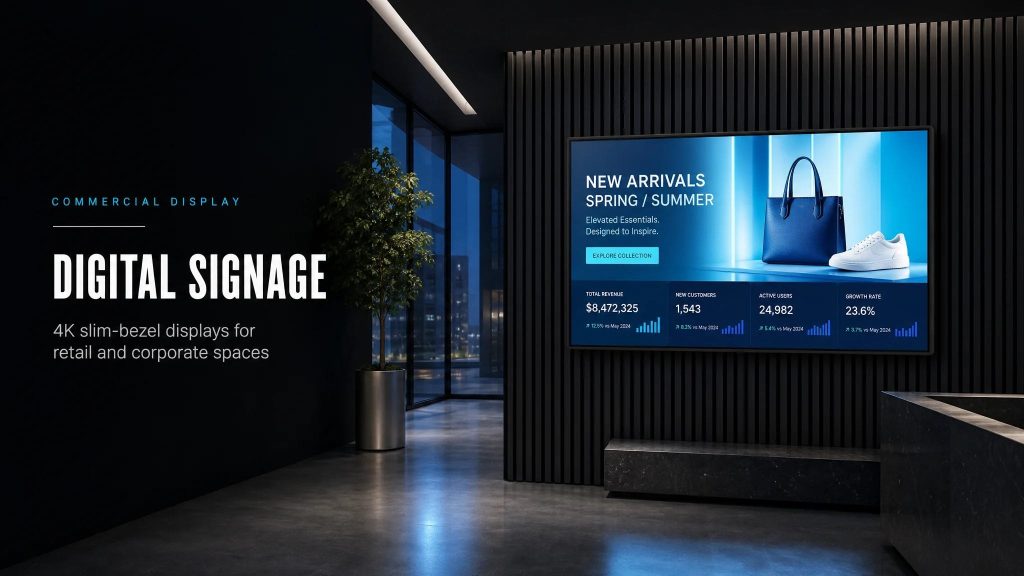
Double-Sided Window Display Installation Guide: Structure, Cabling and Heat
An eight-step sequence for installing a two-faced window unit: structural sign-off, mounting choice, hidden cabling, cavity heat and independent brightness per side.
Buying and specification guides for commercial display hardware.
An eight-step sequence for installing a two-faced window unit: structural sign-off, mounting choice, hidden cabling, cavity heat and independent brightness per side.
Internal power loss plus solar gain, inside a cabinet that must stay sealed. How to size passive cooling, fans, heat exchangers or air conditioning for the site.
Five groups of checks that each produce a document: compliance and market access, environmental reports, optical measurements, workmanship and delivery records.
What aging, burn-in and IP66 water-spray testing are meant to prove, what a credible record contains, and which current website claims still need documents to support them.
IP65 and IP66 share the same dust-tight first digit. The difference is the water jet, and it decides which installation positions need the higher rating.
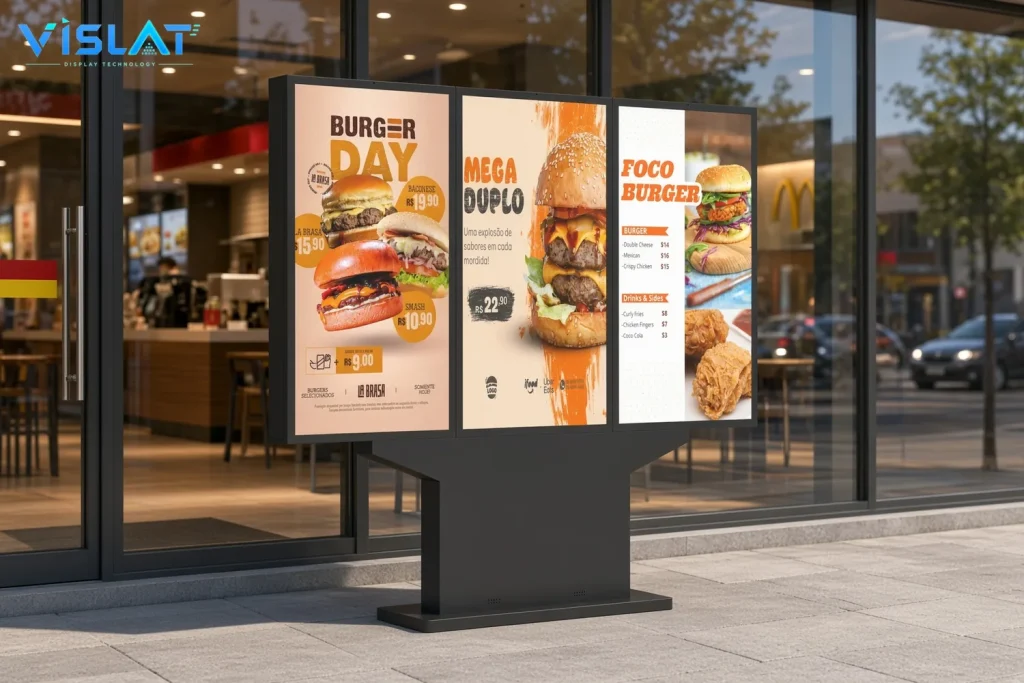
Bonding is bought for contrast and condensation control, not for brightness. A comparison of bonded and air-bonded outdoor LCD builds, from reflectance to repair.
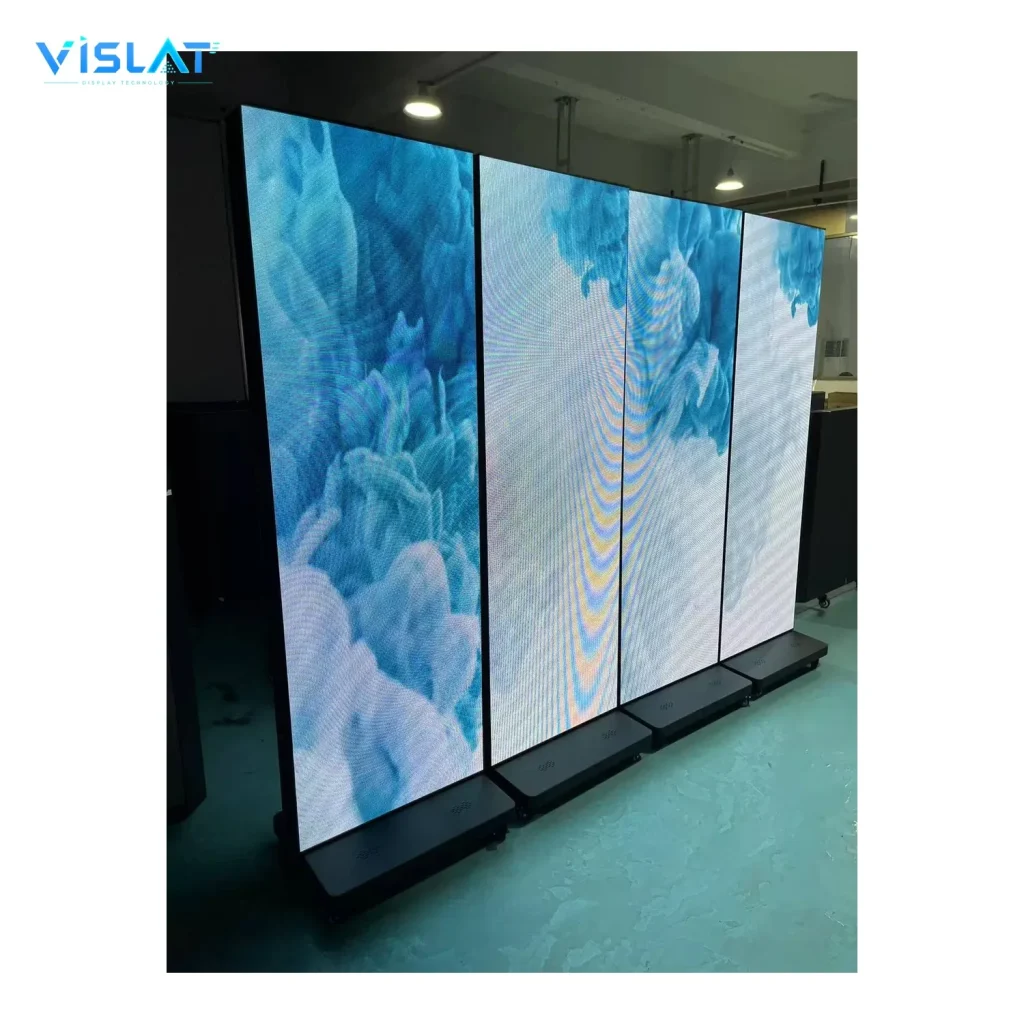
Two different architectures, not two quality levels. Decide between an LED poster and LCD signage on viewing distance, seamless size and how the unit has to move.

Start from the nearest viewer, not the room average. Pixel density maths, a distance table, refresh rate for filmed venues and the heat cost of fine pitch.

Half the cabinets, twice the weight per box and a coarser build step. How the two rental cabinet formats change part counts, load-in and spare-parts planning.
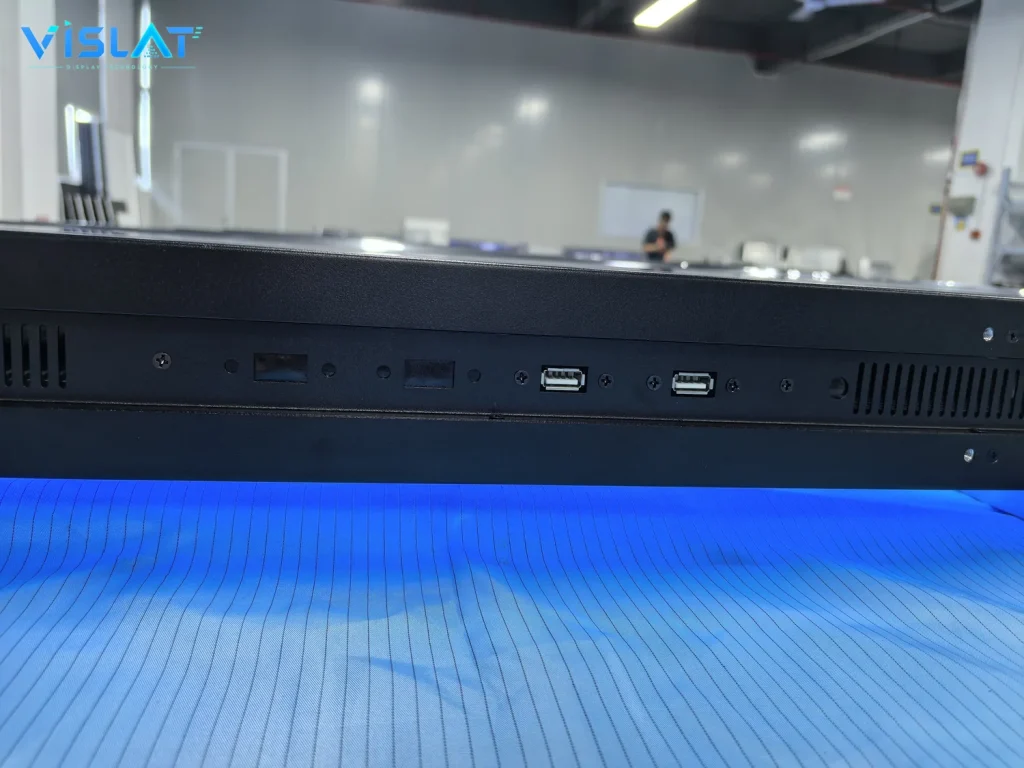
A specifier’s method for window display brightness: measure the light at the glass, set an ambient contrast target, then spend the budget on reflection control and dimming before extra nits.